The Importance of Tree Trimming Services: Preserving the Beauty of Your Landscape
Tree trimming practices hold a significant place in maintaining an appealing landscape. They enhance the visual aesthetics of trees while supporting the general health of your garden. Routine trimming clears away dead or excessive branches but also enhances airflow and sunlight penetration. Knowing the value of these services contributes to more effective landscape management. When homeowners evaluate their choices, they may seek to understand the proper techniques and cues that suggest trimming is required.
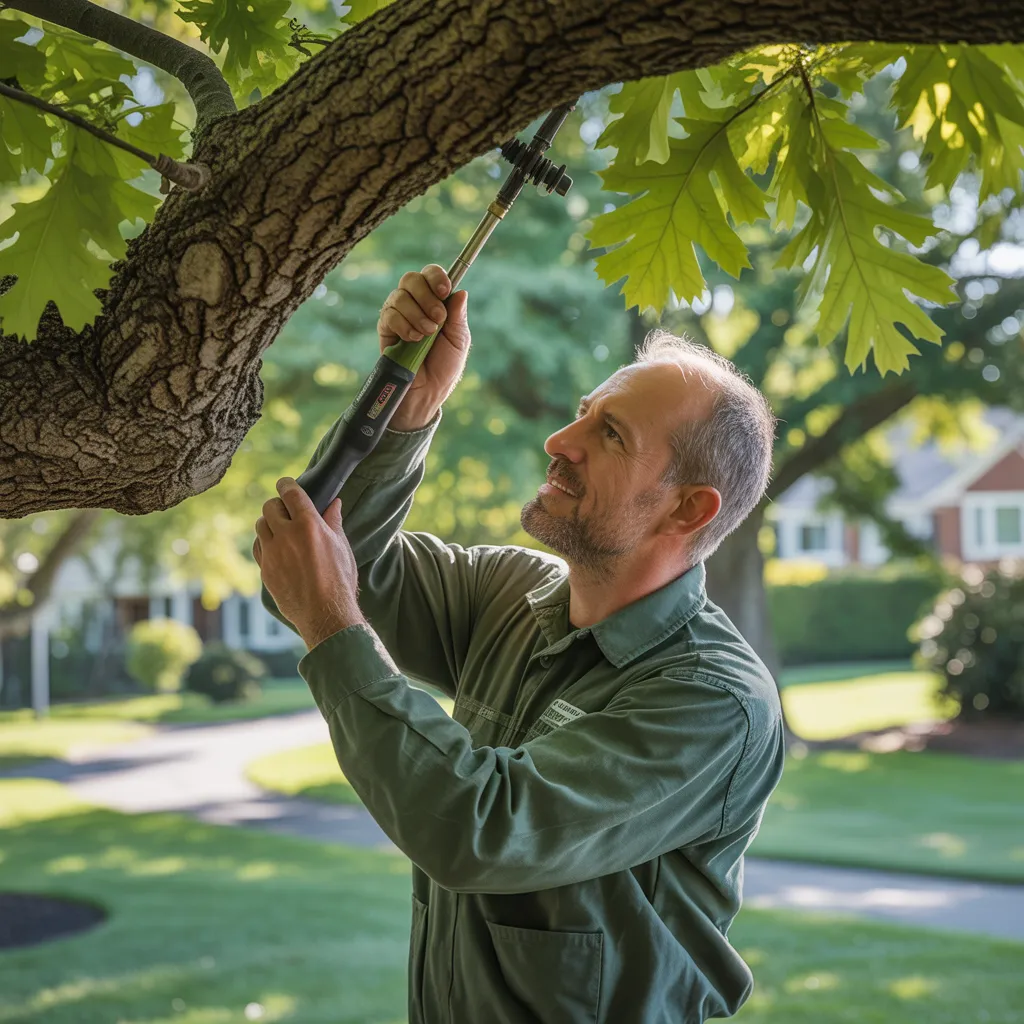
How Tree Trimming Benefits Your Landscape
Tree trimming serves a vital function in preserving a vibrant and visually appealing landscape. Consistent trimming boosts the visual attractiveness of trees, guaranteeing they complement the overall design of the garden or property. By removing dead or overgrown branches, tree trimming prevents unsightly appearances that can detract from the beauty of a landscape. Moreover, it facilitates enhanced light penetration and air circulation, creating a more open and pleasant environment.
Additionally, keeping the form and structure of trees through trimming ensures that they blend seamlessly into their surroundings, encouraging cohesion in the outdoor space. This technique also decreases the risk of branches interfering with power lines, structures, or walkways, which in turn promotes safety. In summary, routine tree trimming functions as a critical practice for preserving the landscape, assuring that trees continue to thrive and look beautiful, which ultimately improves the appeal of any outdoor space.
How Tree Trimming Improves Tree Health
Tree maintenance plays an essential role in enhancing overall tree health. By promoting new growth and stopping disease from spreading, it confirms that trees continue to thrive. Moreover, correct pruning strengthens a tree's structural integrity, allowing it to handle environmental pressures with greater ease.
Promotes New Growth
Pruning encourages vigorous new growth by removing dead or overcrowded branches that block sunlight and air circulation. This practice not only enhances the tree's visual appeal but also promotes healthy development. When branches are pruned, the tree can distribute its energy more efficiently, channeling resources toward the development of new leaves and blooms. Better air circulation minimizes the chance of fungal infections, while increased light exposure fosters photosynthesis. Consequently, trees become more vigorous and resilient, producing lush foliage and strengthening their structure. Consistent pruning ensures that trees sustain optimal health, allowing them to thrive in their environment. Consequently, well-trimmed trees contribute to a more beautiful landscape, demonstrating the advantages of professional tree trimming services.
Controls the Spread of Illness
Maintaining a healthy tree canopy considerably minimizes the likelihood of disease proliferation among trees. Regular tree trimming is vital for clearing dead or diseased branches that could harbor pathogens. By clearing away these potential sources of infection, the total health of the tree is significantly enhanced, enabling improved air circulation and sunlight penetration. This preventative approach not only strengthens individual trees but also safeguards surrounding flora from illnesses that can spread through close proximity. Moreover, keeping proper spacing between branches minimizes competition for resources, further enhancing the tree's resilience. Ultimately, proper tree trimming promotes a lush, healthy landscape, enabling trees to prosper and add positive value to their environment.
Enhances Structural Integrity
Strategic tree trimming substantially boosts the structural integrity of trees, allowing them to endure harsh environmental conditions. By cutting away dead, fragile, or overcrowded branches, pruning rebalances the tree's load and minimizes the chance of branch failure in storms or strong winds. This method fosters a healthier and more uniform canopy, allowing for better sunlight penetration and air circulation, which are crucial for overall health. Moreover, deliberate pruning promotes vigorous growth habits, helping trees establish powerful and extensive root networks. Consistent upkeep not only strengthens the tree's framework but also minimizes the likelihood of pest infestations and diseases that can compromise its stability. Ultimately, choosing quality tree trimming services leads to healthier, longer-lasting trees, elevating the security and beauty of the adjacent landscape.
How to Recognize When Your Trees Are Due for Trimming
How can you tell if trees need trimming? Watching for particular indicators can help you recognize when trees require care. First and foremost, if a tree exhibits dead or dying branches, it is a clear indication that trimming is necessary. Furthermore, limbs that have become overgrown and disrupt structures, power lines, or neighboring plants should be trimmed to support healthy growth. A tree's overall shape is another indicator; if it appears unbalanced or lopsided, trimming can enhance its appearance and structural integrity. In addition to this, heavy leaf shedding or thinning foliage may suggest that a tree is in distress and needs proper care. Finally, a skilled arborist's assessment can deliver meaningful guidance on the tree's wellbeing and the need for trimming. Consistently watching for these indicators ensures that trees stay vibrant and visually appealing, enhancing the overall landscape.
Tips for Selecting the Right Tree Trimming Service
Choosing the most suitable tree trimming service can significantly influence the appearance and health of the trees on your property. When choosing a service, it is essential to consider factors such as qualifications, experience, and customer reviews. A reputable company should employ certified arborists who have the skills to evaluate tree health and advise on proper trimming approaches.
Prospective customers ought to obtain estimates from various companies, assessing not just prices but also the range of services offered. Asking about insurance and safety protocols is important; a reputable service should carry liability insurance to guard against unforeseen incidents.
Additionally, a professional tree care company will supply a detailed contract outlining the tasks to be carried out, deadlines, and payment conditions. By doing comprehensive research and asking relevant questions, property managers can confirm that they choose a service that will successfully improve their landscape while protecting tree health.
The Importance of Tree Trimming for Safety
Tree maintenance plays an essential role in ensuring safety around homes and public spaces. Overgrown branches can pose significant hazards, particularly during severe weather or strong winds, as they could snap and drop, putting people at risk of injury or property destruction. Regular trimming helps guarantee that trees do not encroach on power lines, minimizing the likelihood of power disruptions or electrical hazards.
In addition, trees that are well cared for boost visibility, enabling safer travel on roads and pathways. They also remove hiding places for pests or wildlife that may cause harm. Through the removal of dead or diseased branches, tree trimming supports overall tree health, leading to a safer environment.
Ultimately, choosing professional tree trimming services not only elevates the beauty of landscapes but also preserves community safety, ensuring that outdoor spaces continue to be enjoyable and protected for all.
Tree Trimming Considerations by Season
Seasonal factors play a vital role in effective tree trimming. Knowing spring growth more info tendencies can support better tree health and appearance, while fall preparation activities guarantee trees are ready for winter dormancy. All seasons present their own unique opportunities that impact the methods and timing of tree care.
Spring Growth Tendencies
Throughout spring, most trees exhibit a surge of growth, making it an imperative time for tree pruning. As temperatures rise and daylight increases, trees activate their growth processes, resulting in newly formed leaves, flowers, and stems. This rapid growth can lead to dense canopies and fragile branch formations if not properly managed. Pruning trees at this time helps promote healthy growth, enhances the tree's shape, and decreases the likelihood of infection by improving air circulation within the canopy. Furthermore, removing dead or damaged limbs contributes to the tree's long-term health. Effective spring trimming not only sustains the attractive appearance of your landscape but also lays the basis for strong seasonal growth throughout the growing season, guaranteeing trees remain healthy and strong for years to come.
Autumn Preparation Tasks
As autumn approaches, homeowners ought to focus on critical pruning activities to prepare trees for the upcoming winter months. This period is vital for examining tree wellness and ensuring structural integrity. Cutting away dead or infected limbs is crucial to prevent potential hazards during winter storms. Additionally, clearing congested growth zones can enhance air circulation, reducing the risk of fungal infections in damp conditions. Homeowners should also consider the shape and growth patterns of their trees, making sure they preserve an attractive form. Appropriate tree care in the autumn months serves to boost both tree vitality and the overall landscape appeal. Dedicating effort to these activities can result in stronger trees and a livelier exterior environment as winter sets in.
Benefits of Winter Dormancy
Capitalizing on the dormant winter season presents unique advantages for tree pruning. During this time, trees preserve their energy, enabling improved tree care practices. Pruning during winter promotes the health and structure of trees, as the lack of foliage simplifies the process to assess branch integrity and identify potential issues. This period additionally reduces tree stress, as they are less likely to suffer from shock than during peak growth periods. Moreover, winter tree care lowers the likelihood of disease outbreaks and pest activity, which are known to proliferate during warmer months. All things considered, the dormant winter period offers an ideal opportunity for expert tree care professionals to elevate the appearance of the landscape, keeping trees robust and full of life as they enter the spring season of renewal.
Evaluating the Cost-Benefit of Professional Tree Care
While many homeowners may consider the expense of hiring professional tree care services as an avoidable expenditure, the enduring gains typically surpass the original expense. Hiring professional services ensures trees are thoroughly looked after, lowering the likelihood of illness and harm. Thriving trees not only beautify a property's appearance but also increase real estate value, establishing them as a sound financial commitment.
Additionally, periodic trimming prevents potentially dangerous circumstances, such as loose branches that can contribute to substantial damage costs or harm to individuals. Professionals have the knowledge and tools required to carry out the task safely and efficiently, minimizing the likelihood of accidents.
Moreover, healthy and well-tended trees supply environmental advantages, such as enhanced air quality and energy efficiency achieved through natural shade. By investing in professional tree care, property owners can maintain a lush and thriving landscape, contributing to both personal satisfaction and potential financial returns. Ultimately, professional tree care expenditures represent a valuable investment in a property's health and visual appeal.
Frequently Asked Questions
How Often Should I Schedule Tree Trimming Services?
Experts recommend arranging annual tree trimming services for most tree varieties. That said, specific needs may vary according to tree species, growth rate, and health, necessitating adjustments to the frequency for ideal maintenance and safety.
Can Tree Trimming Be Done Year-Round?
Tree pruning can typically be done during any season, however, the best timing depends on the type of tree and local climate conditions. Accounting for seasonal changes play a key role in maximizing overall tree health and growth, keeping trees healthy and properly cared for throughout the year.
What Equipment Is Used for Tree Trimming?
Tree trimming commonly needs equipment like loppers, hand pruners, chainsaws, and pole saws. Each tool serves a specific purpose, ensuring efficient cutting as well as preserving the vitality and visual appeal of trees across the full trimming operation.
Is a Permit Required for Tree Trimming?
Whether a permit is needed for trimming trees varies by location and specific regulations. It is advisable for homeowners to check with local authorities to verify compliance with any necessary permits or restrictions before proceeding.
How Does Tree Trimming Affect Property Value?
Tree pruning positively influences property value by boosting curb appeal, promoting tree health, and avoiding potential dangers. Properly trimmed trees create an inviting atmosphere, attracting potential buyers and improving the general landscape beauty.